Popular Tags
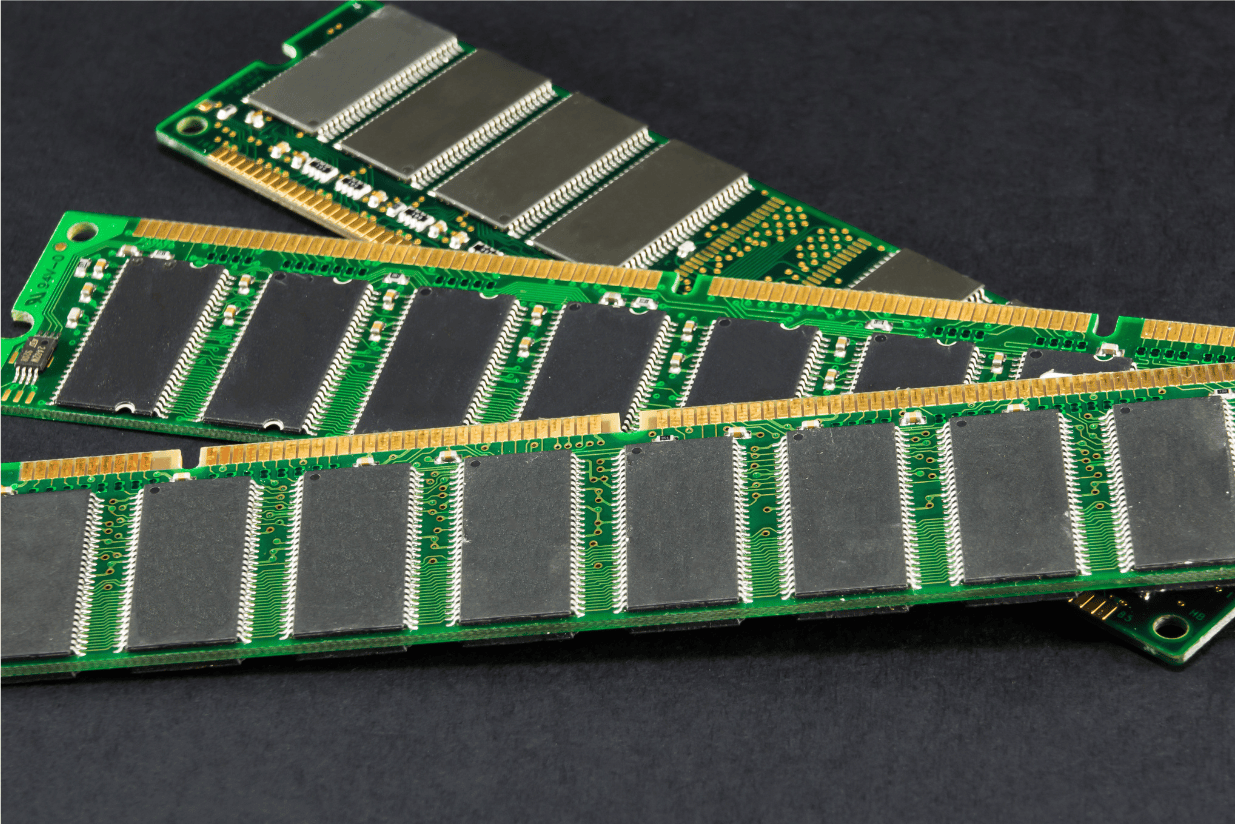
Why is the cost of computers going up?
What’s driving SSD, GPU, and RAM price increases and what you can do about it
If you’ve shopped for computers and computer parts recently, you might have noticed SSDs, graphics cards, and even memory (RAM) aren’t as affordable as they used to be. That isn’t just your imagination — industry reports show that a global memory shortage is pushing up prices across the tech market. This shortage is affecting everything from SSDs and GPUs to hard drives, computers and laptops.
In this week’s Tech Tip Tuesday, we’ll break down why this is happening, how it might affect your tech plans in 2026, and useful tips to manage purchases and upgrades more effectively.
What’s Causing Price Increases for Memory-Dependent Devices
Memory chips like DRAM (used for system memory) and NAND flash (used in SSDs) are essential components in modern computers, gaming systems, and smartphones. Right now, demand for these components is very high — especially from AI data centers and enterprise hardware — which are buying memory at a much faster pace than manufacturers can supply.
Because DRAM and NAND production capacity is limited, manufacturers are prioritizing high-margin products and orders from major cloud and AI infrastructure customers. That leaves less memory available for consumer devices, causing prices for regular SSDs, GPUs, and even hard drives to rise.
This shift is affecting:
SSDs — especially high-capacity NVMe drives that rely on lots of NAND storage
GPUs — because video memory (GDDR) uses similar memory technology
RAM (system memory) — where shortages have already driven prices much higher
Hard drives and storage systems — even traditional spinning drives are seeing price pressure as NAND shortages ripple outward
What This Means for You
Here are some ways the memory shortage is likely to affect everyday buyers and tech shoppers in 2026:
Higher upgrade costs
Upgrading memory, storage, or graphics can cost significantly more than it did just months ago. Components that once seemed affordable are now priced closer to premium levels.
Prebuilt systems may cost more too
PC manufacturers are already warning of higher average system prices as memory costs rise, with some forecasts suggesting potential price increases of several percentage points for new laptops and desktops.
Delays and limited stock
Some vendors may reduce inventory to delay selling lower-margin products until memory prices stabilize. Others could offer systems without certain components (for example, selling a laptop without RAM installed) to give users flexibility and reduce upfront costs.
Practical Tips to Navigate Price Increases
Here’s how to adapt your tech plans to the current shortage and still get the performance you need.
1. Buy early if you need it soon
If you’re planning an upgrade — especially memory or storage — doing it sooner rather than later may lock in lower prices before another jump.
2. Consider capacity over premium speed
If prices for top-end SSDs or RAM kits are high, choose slightly lower capacity or performance tiers that still meet your needs. Often the performance difference isn’t noticeable for everyday use.
3. Shop refurbished or open-box
Certified refurbished components often come with a warranty and can save you money compared to factory-new products.
4. Plan for future needs now
If you anticipate needing more storage or memory soon, factor that into your build and budget plans today — prices may continue to fluctuate as shortages persist.
5. Keep software optimized
Good system performance doesn’t always require the fastest hardware. Regular software updates, disk cleanup, and managing startup programs can help your device feel snappier without jumping to expensive upgrades.
The Bottom Line
The current memory chip shortage — driven by global demand and structural shifts in how memory is allocated — is affecting pricing for SSDs, GPUs, RAM, and other components in 2026. While this may make upgrades or new builds more expensive, informed planning and smart buying strategies can help you navigate these market conditions.
If you’re considering an upgrade or need help optimizing your current setup, we’re here to help you make confident, cost-effective decisions.